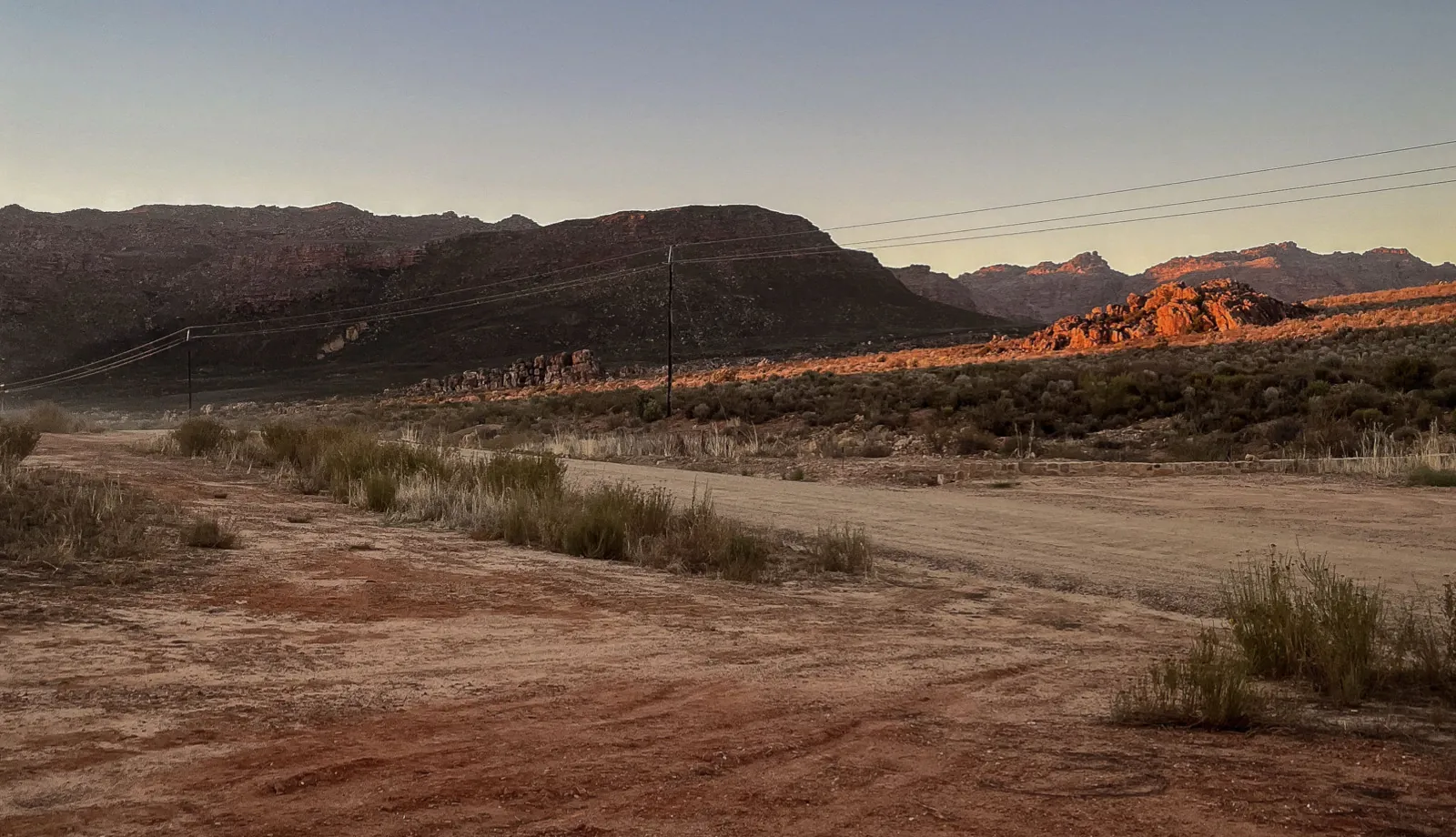
One of the questions I am asked most often is: what is the best value red wine in the shop?
It sounds like a simple question, yet it is surprisingly difficult to answer.
Every year I am tasked with tasting hundreds of wines. Some are ambitious. Some are fashionable. Some are expensive. Some are not.
The wines that tend to leave the biggest impression are often none of those things. They are the bottles that dramatically exceed expectations, bottles I'm confident to recommend to every person who visits the shop.
This report is dedicated to those wines.
Over the past year, I have revisited a wide range of reds across numerous styles, regions and price points. While many were excellent, only a select few have distinguished themselves through their ability to deliver genuine quality far beyond what their price would suggest.
If South Africa is rightly celebrated as one of the world's great wine-producing nations, then perhaps our greatest strength is not simply the quality of wines, but the value we continue to offer. Few countries can rival the depth, diversity and affordability our winelands hold.
The wines that follow are the bottles that impressed me most.
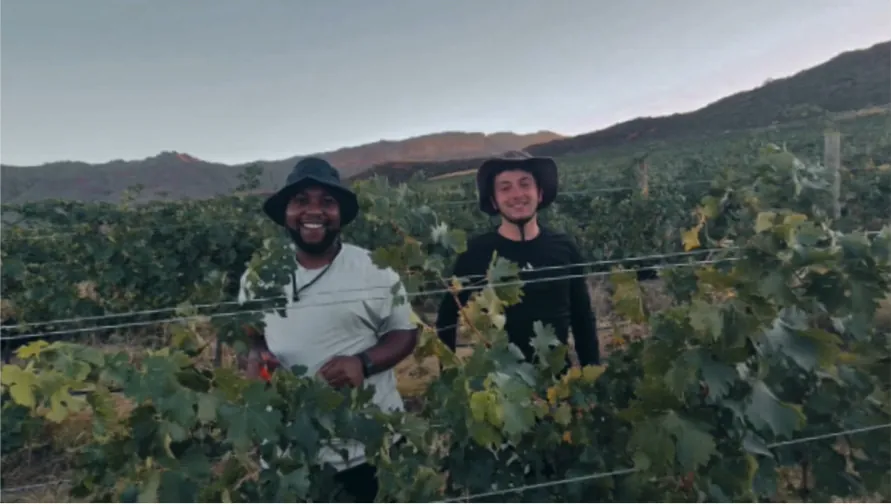
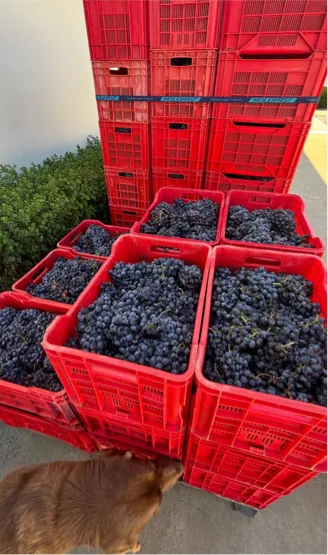
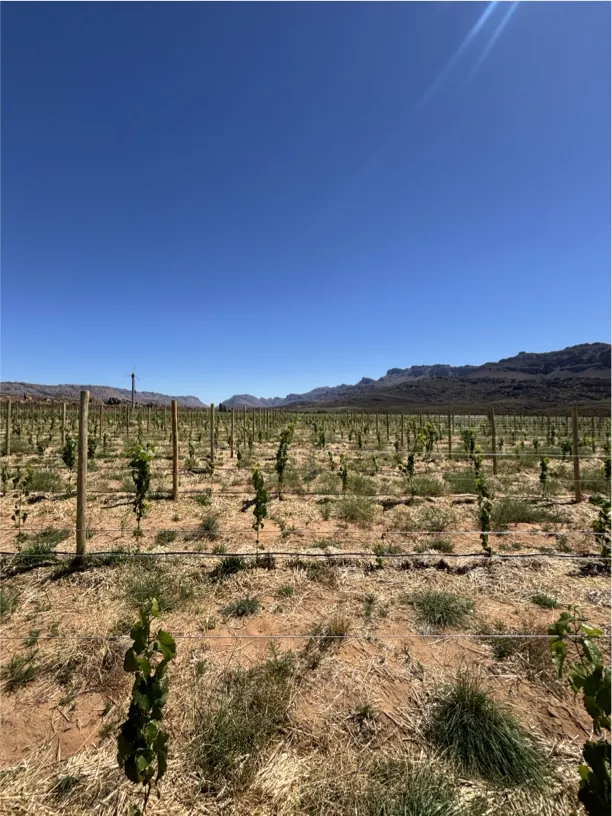
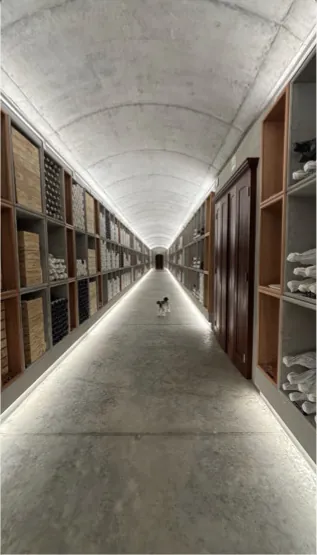
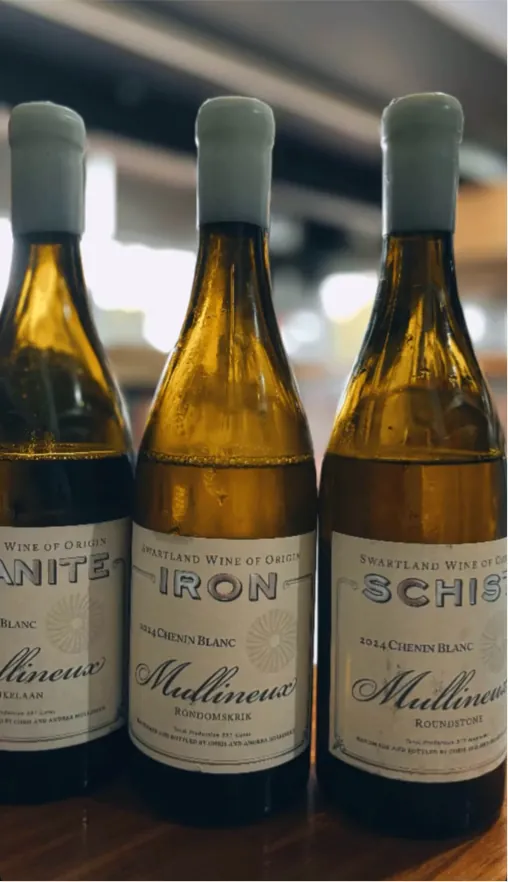
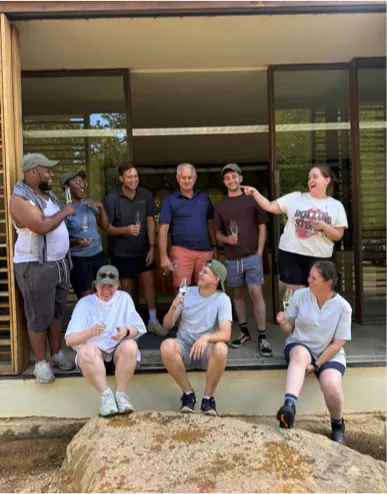
Three reds that punch above their price.
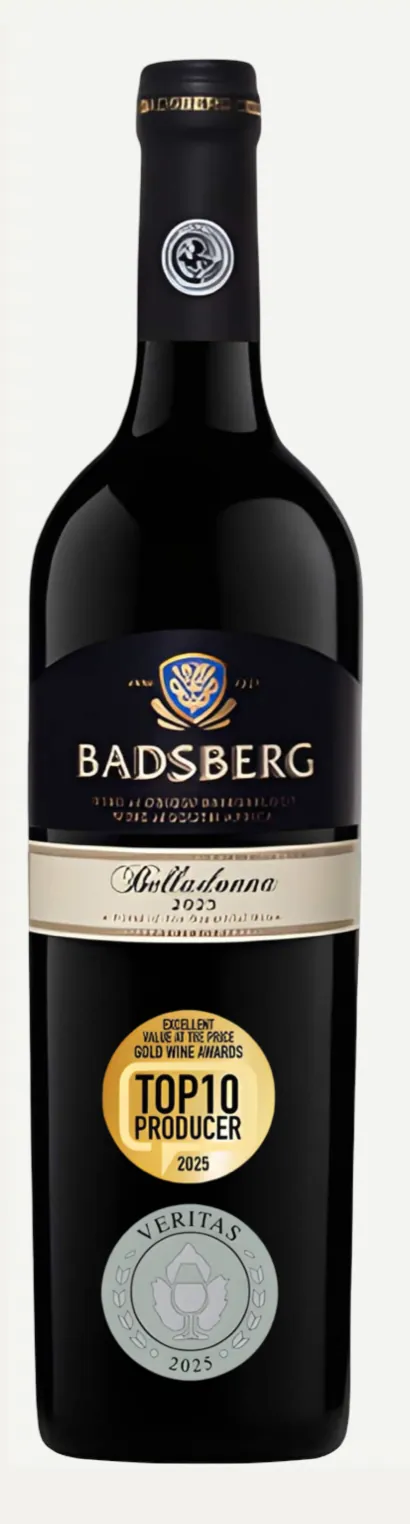
Badsberg Belladonna
The Badsberg Belladonna has long been one of the most reliable overachievers, offering a level of complexity and maturity rarely encountered at its price point. Rich dark berry fruit, gentle spice, and well-integrated oak combine to create a wine that feels both generous and complete. What continues to impress is its consistency; vintage after vintage, Belladonna delivers a polished and satisfying drinking experience without demanding a premium price. It is precisely this combination of accessibility, character, and value that has earned it a place among this year's standout performers.
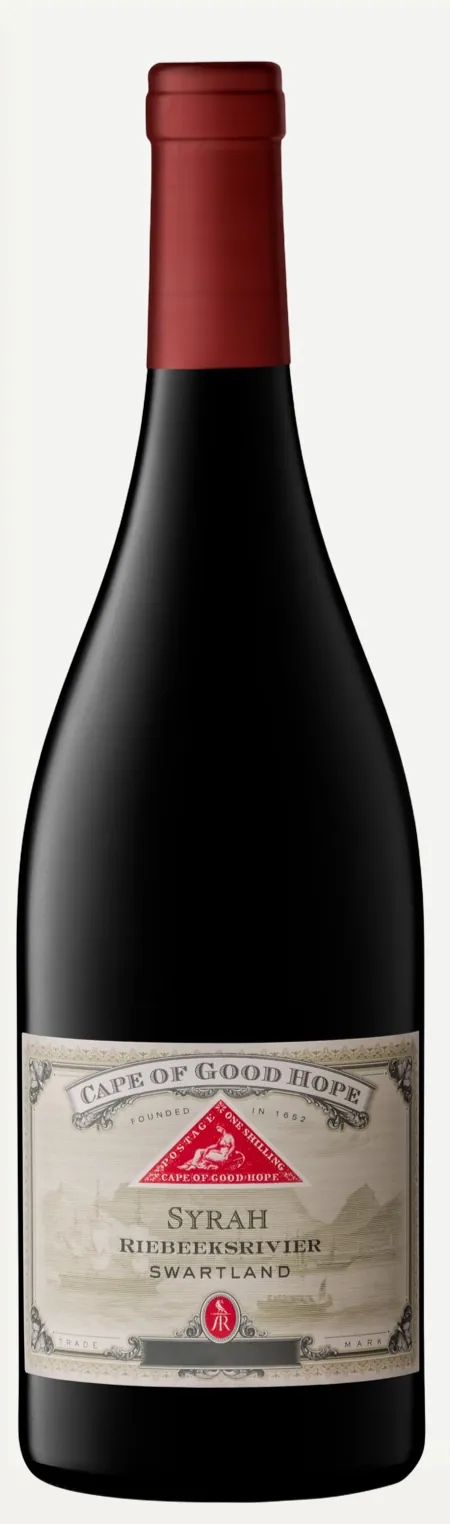
Cape of Good Hope Riebeeksrivier Syrah
The Riebeeksrivier Syrah continues to be one of the most compelling value propositions, consistently delivering quality far beyond its modest price point. Produced in the heart of the Swartland, it combines generous dark fruit, savoury spice, and subtle earthy nuances with a structure that belies its category. Full of character yet remarkably approachable, it is a wine that has earned a loyal following through reliability rather than hype. Vintage after vintage, it remains a benchmark for affordable South African red wine and a worthy runner-up in this year's rankings.
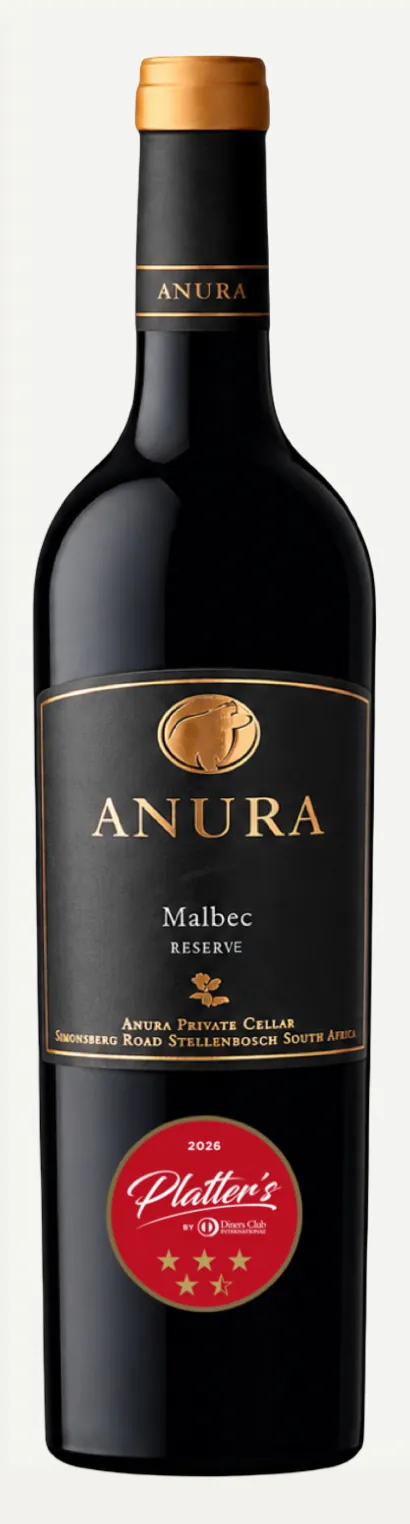
Anura Malbec Reserve
This wine is celebrated for its remarkable value, exceptional track record, and consistent ability to outperform expectations vintage after vintage. Produced from carefully selected vineyards and matured with restraint, the Reserve Malbec offers impressive concentration without sacrificing elegance. Layers of dark plum, blackberry and subtle spice are supported by fine tannins and a polished texture, resulting in a wine that comfortably exceeds its price point. A perennial favourite among both critics and customers alike, it remains one of the Cape's most dependable examples of the variety.
The standout value reds.
| Wine | Price |
|---|---|
| Anura Malbec Reserve | R230.00 |
| Anura Merlot Reserve | R230.00 |
| Arendsig Inspirational Batch Merlot | R255.00 |
| Badsberg Belladonna | R130.00 |
| Benguela Cove Moody Lagoon | R185.00 |
| Boschkloof Cabernet Sauvignon Merlot | R135.00 |
| Brookdale Mason Road GSM | R155.00 |
| Cape of Good Hope Riebeeksrivier Syrah | R165.00 |
| Dutoitskloof Dimension | R155.00 |
| Grangehurst Daylea Red | R175.00 |
| Hartenberg Doorkeeper Merlot Malbec | R145.00 |
| Kranskop Beekeeper Shiraz | R175.00 |
| Koelenbosch Sangiovese | R105.00 |
| Lavenir Horizon Pinotage | R125.00 |
| Mullineux Kloof Street Rouge | R155.00 |
| Pledge Stellies Cabernet Sauvignon | R150.00 |
| Radford Dale Vinum Pinot Noir | R199.00 |
| Ridgeback Journey | R198.00 |
| Saronsberg Provenance Syrah | R155.00 |
| Wildekrans Deep Purple | R140.00 |


Price isn't everything.
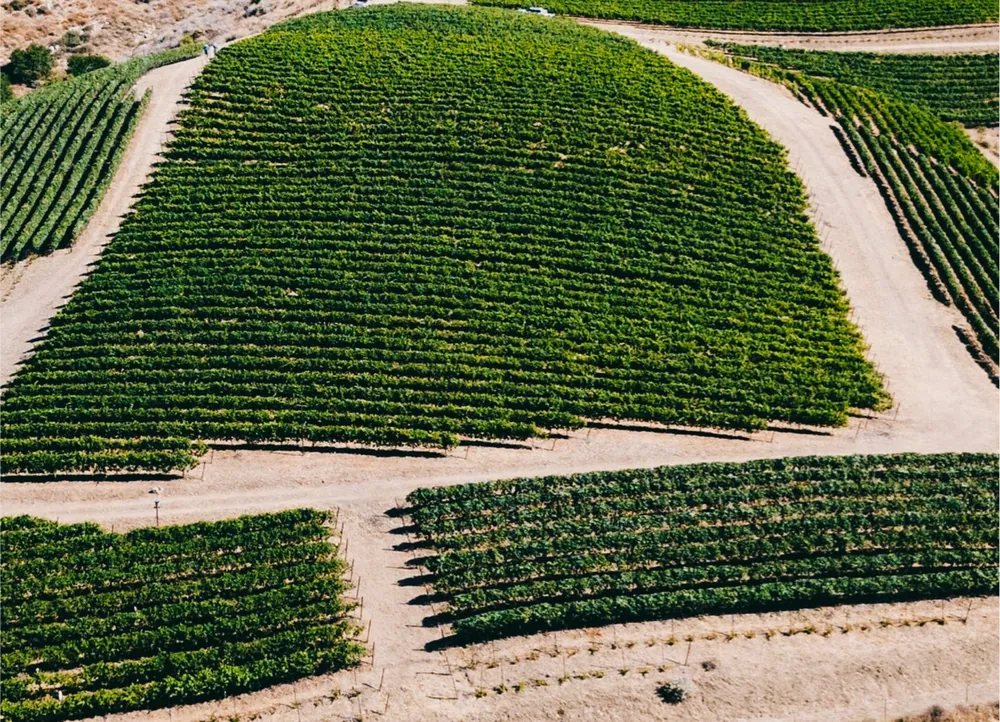
Some of the finest wines I have ever tasted in South Africa were not the highest-scoring labels in the room. They were definitely not the most expensive bottles, nor the wines surrounded by the loudest reputation. More often than not, they were wines discovered by accident — or bottles opened with little expectation, only to leave a far greater impression than the prestigious names beside them. I've seen this scenario play out a number of times with our wine club's comparative tastings.
That is the strange magic of South African wine. Price is not everything here. Reputation is not everything either. We remain one of the few serious wine-producing countries where truly great wines can still be stumbled upon regularly, not unattainable due to high price, or allocation restrictions.
What excites me most about South African wine is not necessarily the wines themselves, but the rate at which new discoveries continue to emerge. Just when you think you have a handle on the country's leading producers, another label appears. Another winemaker releases something extraordinary. The sense of discovery feels almost endless.
Yet, despite this momentum, I often find myself drawn to a different observation. Many of the wines that truly overdeliver remain curiously absent from the broader conversation. Whether by circumstance, limited production, or simple lack of exposure, some of South Africa's most compelling bottles continue to exist just beyond the spotlight. They are discussed quietly among enthusiasts, championed by a handful of sommeliers and independent retailers, and shared between friends with an almost conspiratorial enthusiasm.
Perhaps this is ideal. The wine world has always had a tendency to reward visibility. The loudest narratives often attract the greatest attention. Scores accumulate, waiting lists emerge, allocations tighten and demand begins to outpace supply. Before long, a wine that was once celebrated for its accessibility becomes defined by its scarcity.
There is an undeniable irony in this. We want great wines to receive recognition. We want talented producers to succeed. We want exceptional bottles to find wider audiences. Yet recognition often carries unintended consequences. Prices rise. Availability shrinks. Demand becomes a marketing tool in itself. In some cases, the wine gradually drifts away from the very audience that championed it in the first place.
Perhaps that is why South Africa remains such a fascinating place to drink wine. For all the progress the industry has made, there are still remarkable discoveries waiting to be made. There are still bottles capable of surprising even experienced drinkers. Wines that deliver far more than their reputation suggests. Wines that have not yet been transformed into collector's items or investment assets. Some of South Africa's greatest wines may never become household names. And perhaps that is perfectly acceptable.
Obscurity occasionally has its virtues too. It preserves a sense of discovery. It rewards curiosity.
Because while fame undoubtedly has its rewards, obscurity occasionally has its virtues too. It preserves a sense of discovery. It rewards curiosity. It allows wine to remain what it has always been at its best: something to be opened, shared and enjoyed, rather than merely acquired. In an increasingly crowded and performative wine world, that feels like the exact reason I write this report. Not to celebrate the obvious wines, but to uncover the less obvious ones. The dusty bottles sitting on shelves, the producers working outside the spotlight, and the wines that deliver far more than their reputation, price tag or score might suggest.
The global wine industry has become increasingly obsessed with external validation — scores, medals, stars, waiting lists and allocation offers — but South Africa still manages to produce wines that feel accessible. Wines that are not produced, marketed, sold as collectors items as much as they are trying to be enjoyed. The country's best producers are no longer chasing international styles with the same desperation they once did. Increasingly, we are simply making wines that speak clearly of where they come from. The desperation to mimic Bordeaux, Napa Valley or the Rhône has mostly faded, replaced by something far more compelling: identity.
South African wine has matured enormously over the past two decades (or so I've been told). There is a greater sense of confidence now. Yet I cannot help but feel that many of the wines that truly overdeliver remain largely hidden from the broader wine-drinking public. There is something wonderfully satisfying about discovering a great wine before everyone else does. But there is also something equally rewarding about sharing it.
This report is my attempt to do exactly that. I encourage you to approach it with an open mind and to view it as an honest reflection of my findings — shaped by daily tastings, conversations, research, and countless interactions with wines from across the country.
The more I learn, the less I know.
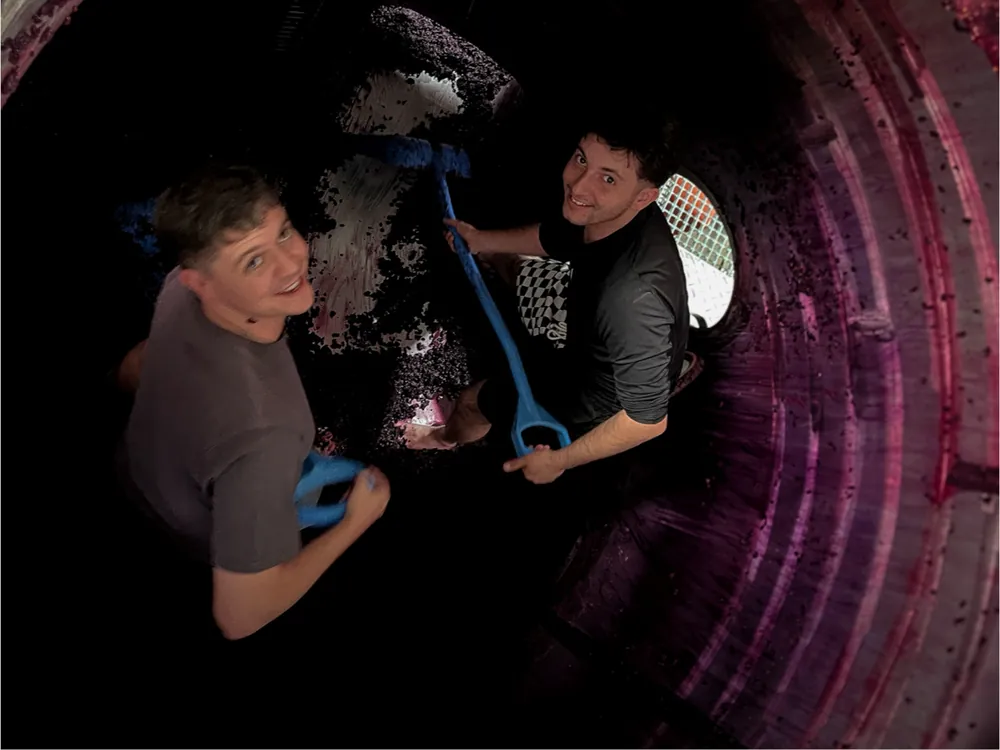
One of the things that continues to surprise me about wine is how little certainty comes with experience. After the last couple years of tasting, buying and selling wine, you might expect the sense of discovery to diminish. Instead, I have found the opposite to be true. The deeper I venture into the wine world, the more exciting it becomes, largely because every year seems to reveal another producer, bottle or vineyard that I never knew existed.
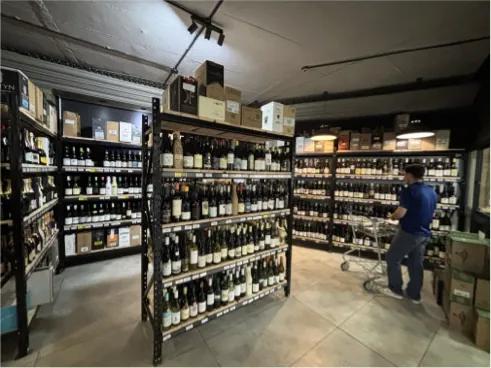
Regularly I find myself in one of our stores, looking at hundreds of spectacular bottles, and thinking: surely I've tasted all of the good wines by now. Within a week, somebody will pour me a wine I've never heard of, from a producer I've never encountered, and I'll be reminded just how much remains undiscovered.
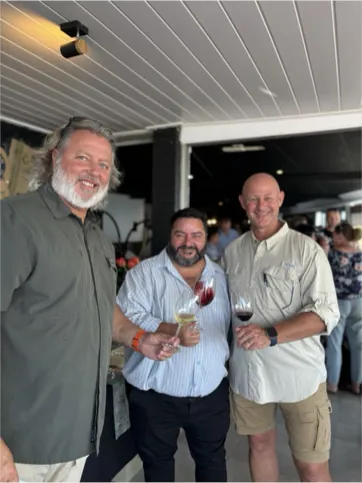
I must give credit to Andre Coetzee, a good friend I've come to know over the last year. Through him, I've had the privilege of tasting many wines that now rank among my all-time favourites. In fact, just yesterday he phoned me, excited to share a glass of his latest discovery. He is a passionate wine enthusiast, a generous person, and exactly the kind of individual who makes this industry so enjoyable.
I could mention many names of people who have contributed to my wine education, progression and success, but they would all fall short of my mentor, Pieter van Straaten. He is single-handedly responsible for introducing me to wine, igniting my passion for it, and helping secure my place within the industry. I owe him more than he will ever know.
That is one of the things I love most about wine. Beyond the bottles themselves, it has introduced me to people I would never otherwise have met. Good wine has a remarkable ability to bring great people together.
Perhaps this feeling is strengthened by the fact that I remain at the very beginning of my own journey. At twenty-four years old, with only a few years in the industry behind me, I am acutely aware of how little I truly know. The more I learn about wine, the more I appreciate the vastness of the subject.
Fortunately, that is not discouraging—it is exciting. It means there are still countless wines to taste, vineyards to visit, and lessons to learn.
Each year, our team makes a deliberate effort to taste and review hundreds of wines. Alongside that, we typically introduce more than 200 new wines into our stores annually—not new vintages of familiar labels, but entirely new discoveries, producers, vineyards, projects and stories.
Most retailers would probably argue that continually investing in new stock rather than simply buying more of the same is not the smartest commercial decision. They may well be right. Yet over the past four years, we have consistently chosen discovery over predictability.
That is what a great wine shop should be: a place of discovery.
As a result, our shelves today hold a broader and more diverse selection of wines than at any point in our history. For me, that is what a great wine shop should be: a place of discovery. A place where there is always something new to learn, taste and explore. And judging by recent years, I suspect the best discoveries are still ahead of us.
Perhaps that is the greatest lesson wine has taught me so far. No matter how many bottles you taste, cellars you visit, or years you spend in the industry, there is always something new waiting around the corner. A new producer, an unexpected friendship, or a bottle that changes the way you think.
For that reason alone, I remain as excited about wine today as I was when I first started—and I suspect the most memorable discoveries are still ahead of me.
Thank you for taking the time to read this report.
Cheers,Ben Zur
From Ben.
Compiling this report has required considerable thought, long discussions, and much reflection, as South Africa continues to produce an extraordinary number of wines worthy of recognition. I truly believe we have the best value wines in the world.
While no ranking can ever be entirely definitive, the wines featured here left their mark on me for their ability to deliver exceptional drinking pleasure relative to price. I hope these recommendations prove both useful and enjoyable.
Thank you to everyone who contributed wine, shared advice, or offered their opinions throughout the last year. This report would not be possible without the support of my clients, colleagues, associates, friends or family.