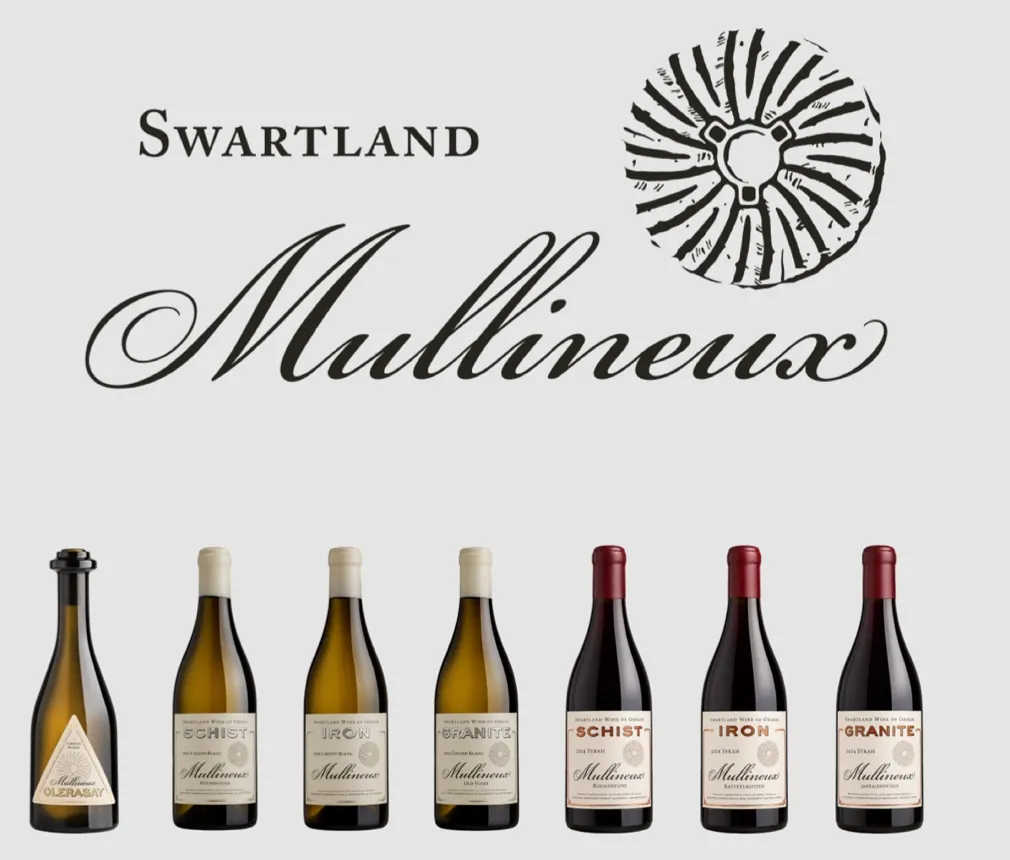
I have secured a small allocation of Mullineux's new release for private sale.
For those who know me well, you know I have been looking forward to this day for many months.
These are some of the most limited wines produced in South Africa, and have incredible collectors value in the auction and secondary market. These are also some of the most highly rated wines in the world, and are often regarded as “the best of fine wine in South Africa”.
Each of the Single Terroir wines comes from a specific vineyard in the Swartland and total production is measured in only a few hundred cases.
Thank you for taking the time to read through my offer, newsletter and the stories behind these wines. I hope it gives you a better understanding of what makes this release so special, and why I love these wines as much as I do.
Strictly limited.
Single Terroir Syrah 2024
Single Terroir Chenin Blanc 2025
Three soils, three whites.
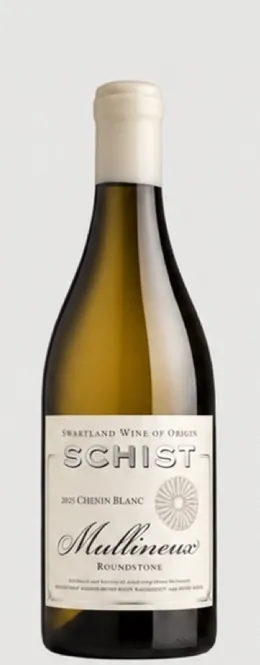
Schist
- Production
- 579 cases
- Harvest
- 13 Feb 2025
- Maturation
- 11 months, 225L French oak
Quince, white peach and subtle lime. Firm, chalky texture and a bright, zesty finish.
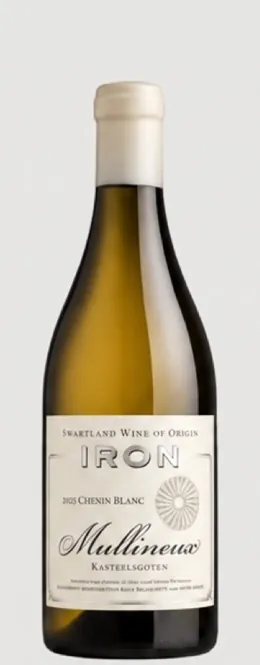
Iron
- Production
- 554 cases
- Harvest
- 6 Feb 2025
- Maturation
- 11 months, 225L French oak
Yellow orchard fruit, fresh orange peel and flint. Layered and textural, with a savoury saline finish.
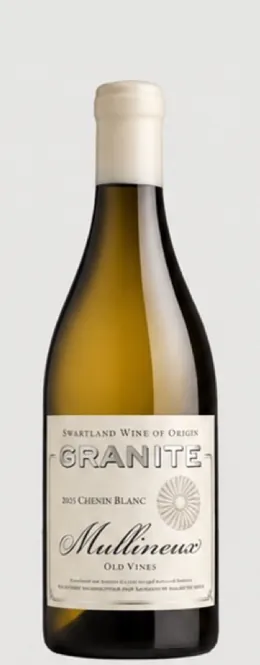
Granite
- Production
- 578 cases
- Harvest
- 14 Feb 2025
- Maturation
- 11 months, 225L French oak
Summer fynbos, citrus blossom and ginger tea. Textured, mineral and lively, with great ageing potential.
And three reds.
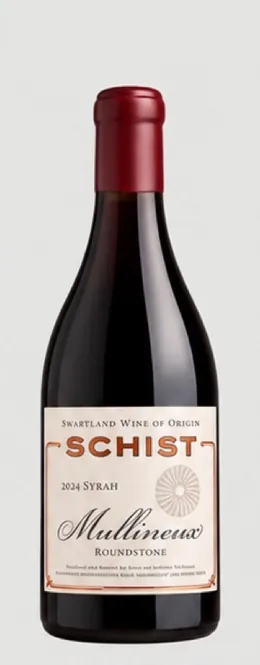
Schist
- Production
- 486 cases
- Harvest
- 13 to 14 Feb 2024
- Maturation
- 12 months 500L French oak (50% new), 9 months 2,000L foudre
Dark fruit, African violet, nutmeg and bergamot. Silky tannins, structured for long ageing.
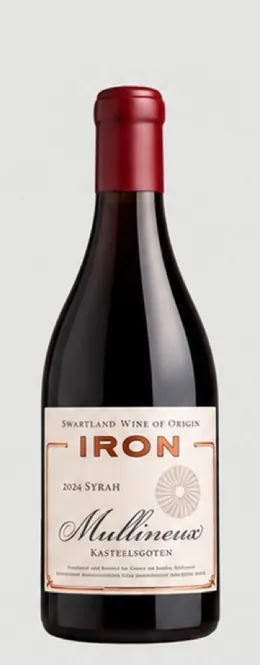
Iron
- Production
- 600 cases
- Harvest
- 12 Feb 2024
- Maturation
- 12 months 500L French oak (50% new), 10 months 2,000L foudre, 8 months bottle
Dark plum, wild blueberry, tomato leaf and charcuterie. Plush, gravelly and chalky tannins.
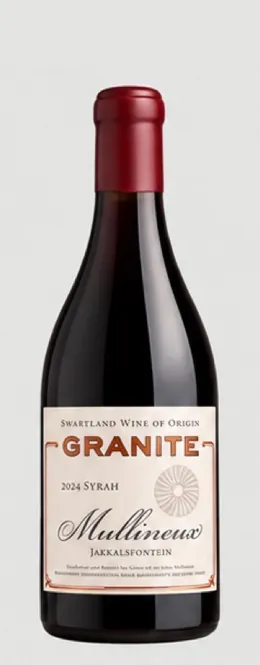
Granite
- Production
- 562 cases
- Harvest
- 20 to 21 Feb 2024
- Maturation
- 12 months 500L French oak (50% new), 9 months 2,000L foudre, 8 months bottle
Flowers, light spice, red cherry and stony minerality. Purity, chalky tannins and a long, refined finish.
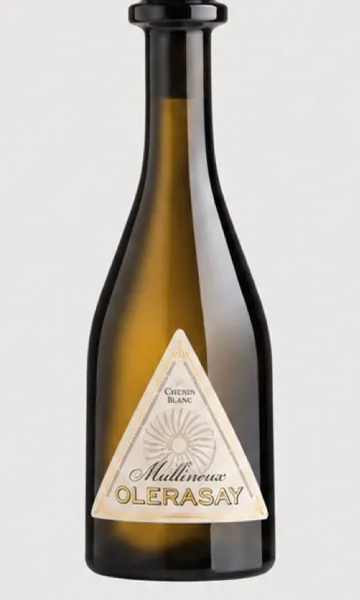
Olerasay 6º
Sun-dried apricots, fynbos honey and salted marzipan. Deeply rich yet vibrant and fresh, with incredible balance and an intense, zesty finish that lingers long after the first sip.
- Alcohol
- 7.5%
- Residual sugar
- 336 g/l
- Production
- 315 cases (375 ml)
- Vineyard
- Paardeberg, decomposed granite soils, old vines
- Harvest
- 2008 to 2025, solera system from 2008
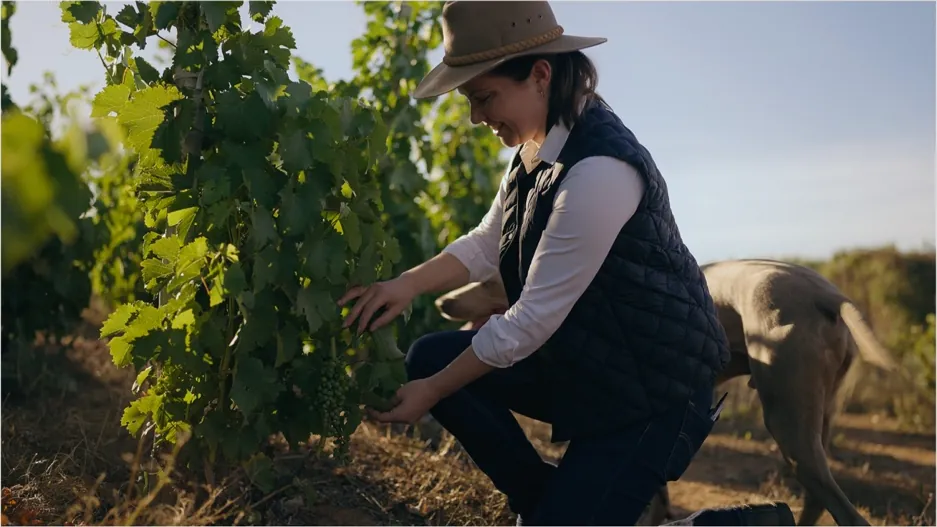
The topmost elite of Cape winemaking.
Tim James
One of the stand-out producers in South Africa.
JancisRobinson.com
Any new wine from Chris and Andrea Mullineux is worth seeking out.
Tim Atkin MW
Where the statistics become slightly ridiculous.
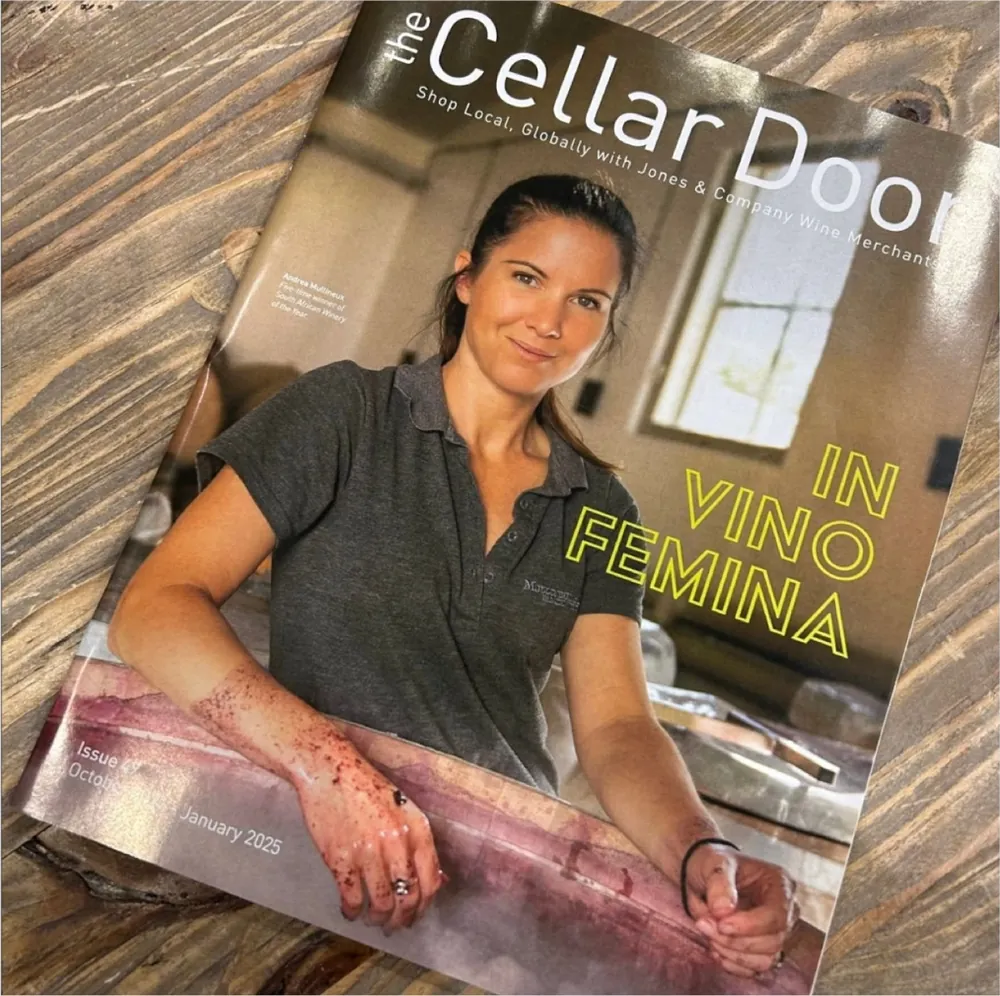
There are accomplished winemakers, there are decorated winemakers, and then there are careers where the statistics become slightly ridiculous. Andrea Mullineux belongs firmly in the latter category.
Since establishing Mullineux in the Swartland in 2007, she has built one of the most formidable records in South African wine: an international Winemaker of the Year recognition, five Platter's Winery of the Year titles, more than 50 Platter's 5-Star wines and wines reaching 97, 98 and even 100 points from some of the world's leading critics. Perhaps more impressive is that nearly twenty years later, there is no sign of the momentum slowing. In Tim Atkin MW's 2026 South Africa Special Report, six Mullineux wines scored 95 points or higher, including 98 points for Granite Chenin Blanc and Olerasay No. 6, while Schist Syrah received 97. Olerasay was also named his Sweet Wine of the Year.
The scarcity of these wines is very real. The Mullineux's Single Terroir wines, namely Granite, Schist and Iron, are produced from specific sites in the Swartland and sold exclusively on allocation to long-standing members. These are not wines produced to satisfy demand; in fact there is only so much fruit from each vineyard, and consequently only so much wine.
That combination of critical acclaim, genuine scarcity and remarkable consistency has made Mullineux one of the most important fine-wine names to emerge from South Africa in the modern era. My experience with Mullineux has also gone beyond the wines. I have had the opportunity to spend time with Andrea in George, meet with Chris at the farm, and get to know members of the wider team. The professionalism, generosity and attention to detail behind the estate have been every bit as impressive as the wines themselves. There is a striking consistency between the people, the way the operation is presented and what ultimately ends up in the bottle.
That perhaps explains why Mullineux has become such an important name in modern South African fine wine. The awards are extraordinary and the scarcity is real, but neither tells the entire story. There is an obsessive level of precision behind these wines.
Sites, soils and a Swartland revolution.
When Andrea and Chris started Mullineux, the idea was centred on finding exceptional vineyards in the Swartland and making wines that could communicate the differences between its sites and soils. It sounds obvious, or for a lack of better words “common place” today, but in 2007, the international reputation of the Swartland was a very different thing. Looking back now, these wines are directly responsible for the Swartland revolution, a movement that has inspired every region in the country to aspire for greater quality wines.
Mullineux was first named Platter's Winery of the Year in 2014, and then did it again in 2016, 2019, 2020 and 2023. By the fifth victory, Mullineux had become the first producer to reach five Winery of the Year titles. It was a jaw dropping feat then and still breaks my head.
The 2023 result was particularly emphatic. Mullineux received eight Platter 5-Star ratings in a single edition, contributing to a career tally that has now passed 50 five-star wines. Apparently four Winery of the Year titles had not made the point quite clearly enough.
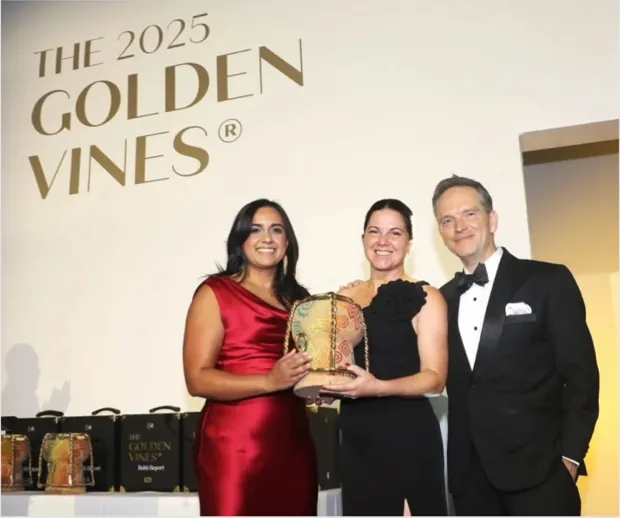
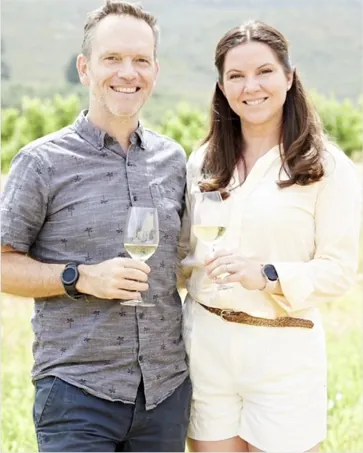
Andrea's individual record is just as impressive. In 2016, Wine Enthusiast named her its Winemaker of the Year, making her the first South African winemaker ever to receive the international honour. She and Chris have also been recognised as South African Winemakers of the Year by Tim Atkin MW, while Mullineux has repeatedly appeared among internationally recognised lists of the world's leading wineries.
You cannot make more of a vineyard.
There is a wonderfully simple reason for the scarcity: you cannot make more of a particular vineyard. Understanding how real the scarcity is, can help understand why these wines are so special. Production is limited because the wines are tied to specific vineyards.
Mullineux consequently operates an allocation programme for its most sought-after releases, selling exclusively to long standing members and customers. Collector demand has followed. Strauss & Co records 191 Mullineux auction lots with a 94.24% sell-through rate, and mature bottles of the Single Terroir wines regularly appear on the secondary market.
These are serious wines, made in very small quantities, from a producer whose best bottles have become increasingly difficult to secure.
Regenerative Organic Certified®.
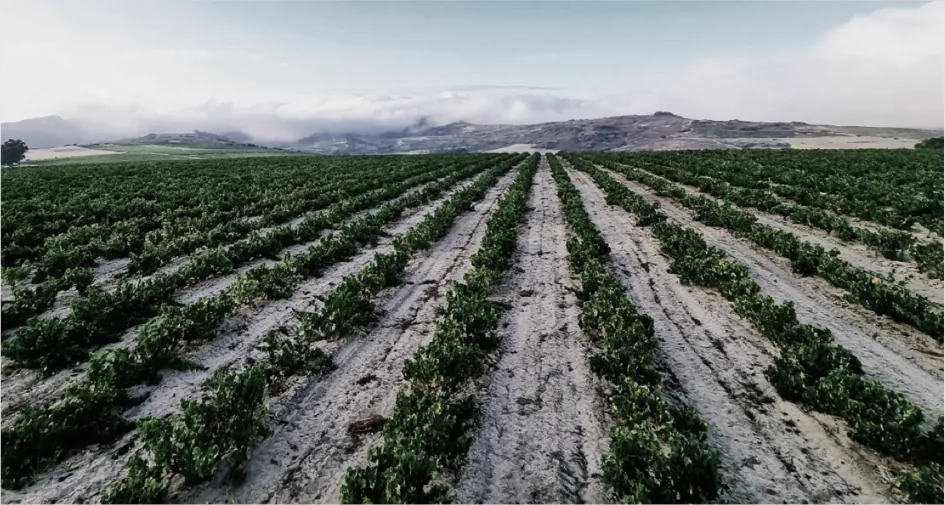
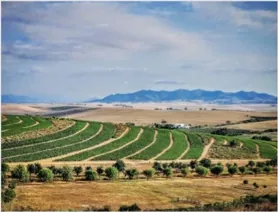
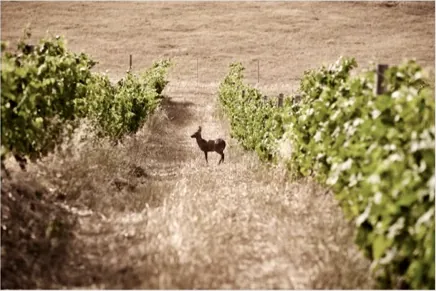
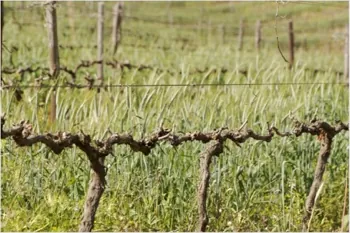
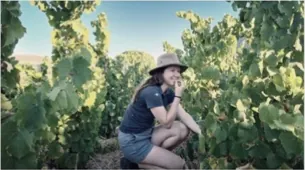
One of the most important parts of the Mullineux story is the farming. Mullineux & Leeu Family Wines is Regenerative Organic Certified®, an achievement the team worked towards for 13 years.
The certification goes considerably further than simply farming organically. Its framework considers soil health, biodiversity, animal welfare and social fairness, with the broader objective of leaving agricultural land healthier and more resilient for the future.
Having visited the farm, this part of the story feels particularly significant to me. I have walked through the vineyards, seen the soils, pocketed a few rocks and spent time looking at the individual sites from which these wines originate. Once you have stood in those vineyards, Granite, Schist and Iron stop being names on expensive bottles and become physical places. The differences in soil, aspect and vineyard are right there in front of you. Understanding them makes the philosophy behind the wines considerably more impressive.
It also puts regenerative farming into context. Mullineux has built an international reputation around expressing individual Swartland sites with remarkable precision. The way I see it, if the objective is to produce wines that speak honestly about where they come from, looking after that place cannot be separated from winemaking. It is where the winemaking begins.
What impressed me most was seeing that the attention to detail associated with the finished wines extends all the way back to the land. Regenerative farming is inherently long-term thinking: improving soil health, encouraging biodiversity and building vineyards capable of remaining healthy and productive for generations rather than simply extracting another vintage from them.
From a business perspective, thirteen years is a considerable amount of time to pursue something before being able to place a certification beside your name. Having seen the vineyards myself, I think that commitment tells an important part of the Mullineux story.
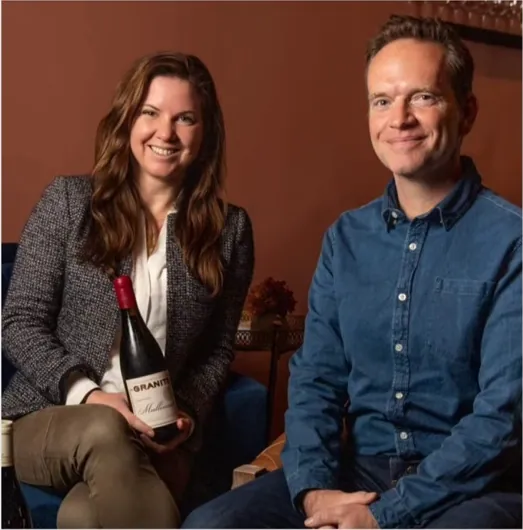
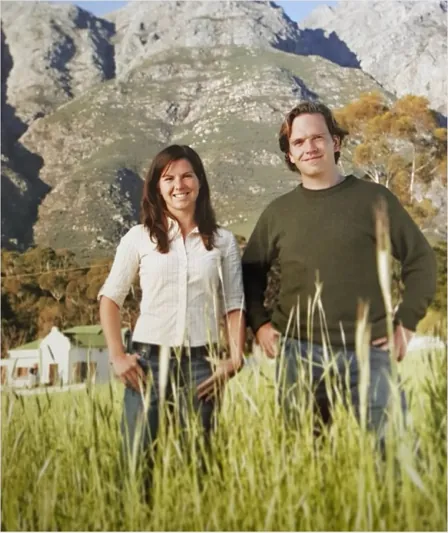
This concludes my write-up on Mullineux. I've only known Andrea, Chris and the team for a relatively short time, and there are still plenty of wines, vintages and experiences ahead. I look forward to discovering them all — and, most importantly, putting a great deal more Mullineux into people's glasses.
Whether you buy a single bottle, or a case, supporting Mullineux means supporting people who have spent nearly two decades pushing South African wine forward.
Andrea, Chris and their team have helped build the reputation of the Swartland, champion its vineyards and soils, and show an international audience just how serious South African wine can be. Their success does not exist in isolation, it strengthens the reputation of other producers, other regions and our wine industry as a whole.
Having spent time with Andrea, Chris and the wider Mullineux team, I have an enormous amount of respect for what they have built and, equally, for how they go about it. The professionalism, generosity and precision behind the wines deserve recognition.
I am proud to support them. They have earned every bit of recognition that has come their way, and South African wine is better for having them.
Cheers,Ben Zur