A national asset for the South African wine industry.
Charles Back
Arguably the country's finest winemaker.
Tim Atkin MW
It was the admirable Eben Sadie who put Swartland on the map.
Jancis Robinson MW
Few names command that level of respect.
Few names command that level of respect quite like Eben Sadie. For those already familiar with his wines, this allocation will require little introduction. For others, the purpose of this article is to provide some context as to why these bottles have become among the most sought-after wines produced in South Africa today, attracting the attention of collectors, critics and enthusiasts across the world.
Over the next few pages, we will explore the story behind Sadie Family Wines, the vineyards and regions that shaped them, the remarkable critical acclaim they have accumulated over the years, and the factors that have made them highly collectible among wine enthusiasts around the world. We will also examine their ageing potential, the role they play within the secondary market, and why demand continues to exceed supply year after year.
My own fascination with the Sadie family has grown considerably over the past year. Earlier this year, I had the privilege of spending time with Charles Back, whose relationship with Eben dates back to some of the most formative years of his career. Our conversation reinforced something I have heard repeatedly from producers across the Cape: Eben's influence on modern South African wine extends far beyond the wines themselves.
More recently, I attended one of the family's annual braais, a wonderfully informal gathering that provided an opportunity to spend time with Eben, his son Markus and several members of the next generation. Our conversations drifted between wine, business, old vineyards, climate change and the future of South African agriculture. What struck me most was not the prestige surrounding the name, but rather the humility, generosity and deep agricultural conviction that seems to run throughout the family.
Over the last few years I have also been fortunate enough to spend time with a number of South Africa's most respected winemakers. While opinions differ on many subjects in wine, one observation appears remarkably consistent: the respect Eben Sadie commands amongst his peers is extraordinary.
This year's allocation is particularly special for me personally. Despite this being only my second year receiving wines from the family, I have been entrusted with the largest allocation I have received to date. I suspect I have been the beneficiary of considerable generosity, and I remain enormously grateful for the kindness, hospitality and support that the Sadie family has shown me throughout the process.
Whether you are purchasing your first bottle of Sadie Family Wines or adding to a collection that spans many vintages, I hope this report provides some useful context and a greater appreciation for the remarkable work being done by Eben, his family and the wider team. Above all, I hope the wines bring as much enjoyment to you as they have to me.
The flagships and the District Series.
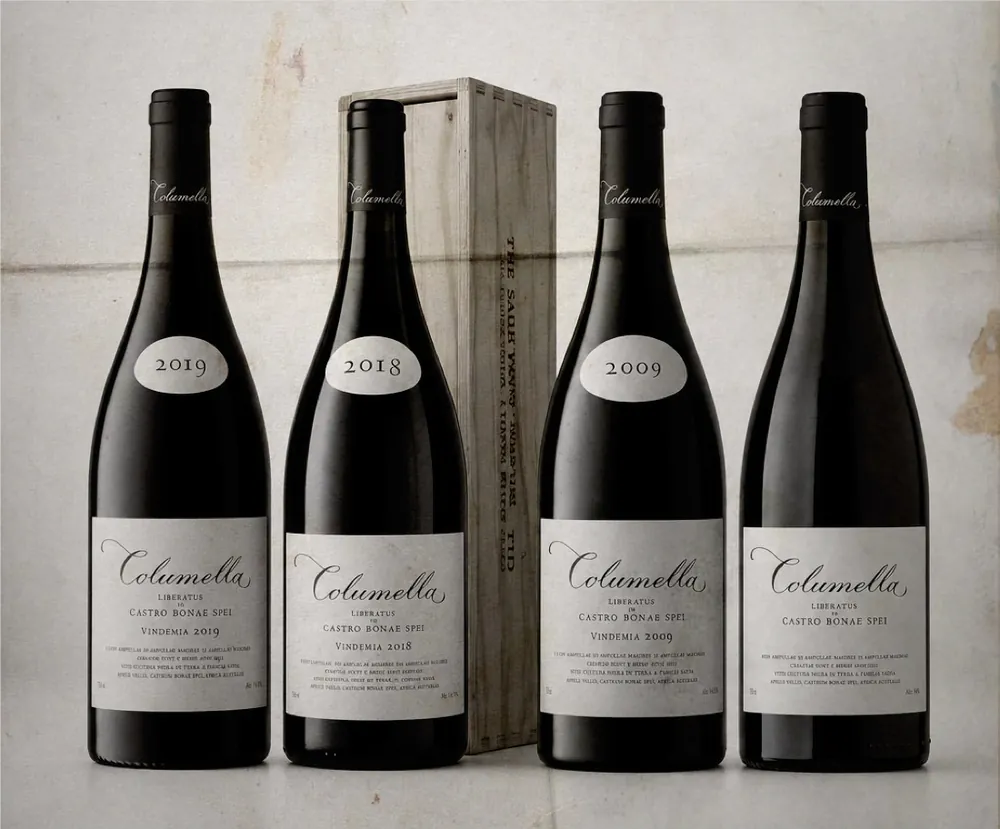
The Sadie Family portfolio can broadly be divided into two categories. At the pinnacle sit Columella and Palladius, the estate's flagship red and white wines. Produced from multiple vineyards across the Swartland, these wines represent Eben Sadie's most complete expression of the region and have become benchmarks of South African fine wine.
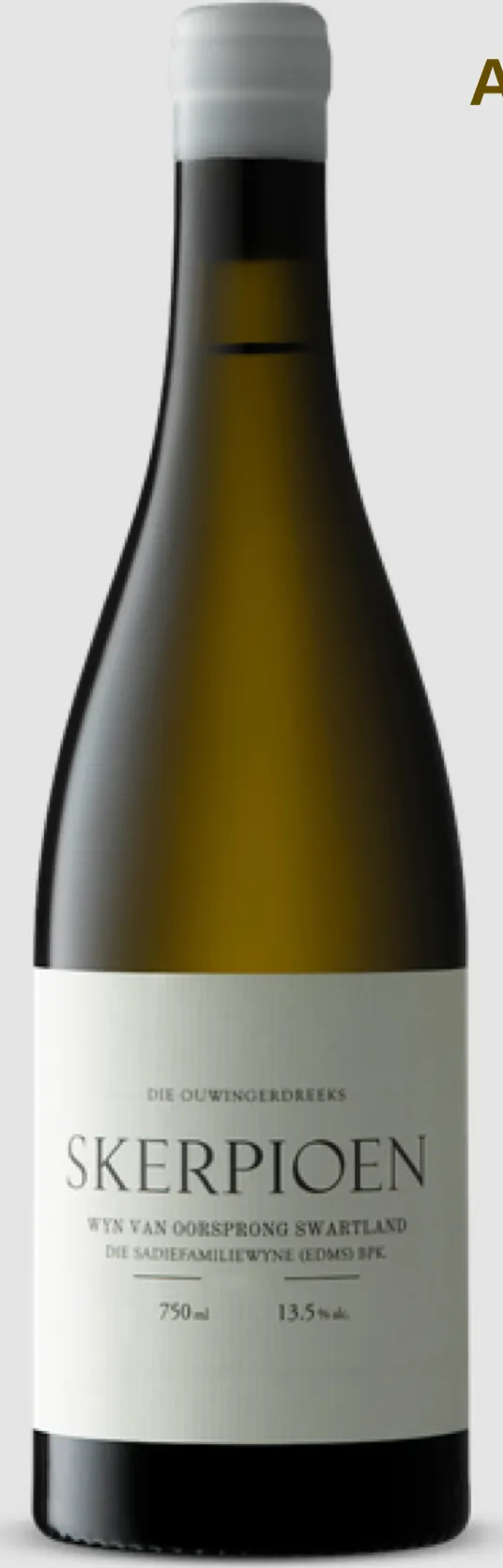
Alongside them sits the District Series, a collection of site-specific wines produced from remarkable vineyards scattered throughout the Cape. These wines aim to capture the personality of individual places, often from old, low-yielding vineyards that might otherwise have disappeared. Names such as Skerpioen, Soldaat, Pofadder, Treinspoor, T'Voetpad, Mev. Kirsten and Kokerboom have become highly sought-after among collectors and enthusiasts, not because of their rarity alone, but because each offers a distinct expression of site, variety and vintage.
While the wines differ considerably in style, they are united by a common philosophy: careful farming, respect for old vineyards, and a belief that great wines should reflect where they come from rather than how they were made.
Understanding this distinction between the flagship wines and the District Series provides the foundation for understanding the Sadie Family portfolio as a whole.
Twelve wines, bottle by bottle.
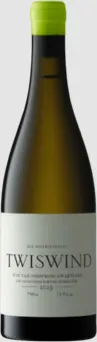
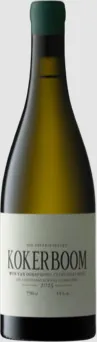
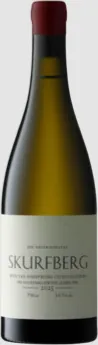
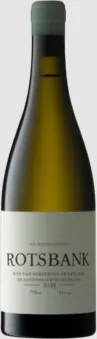
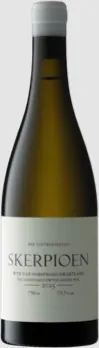
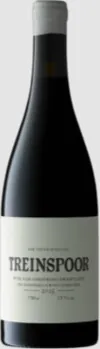
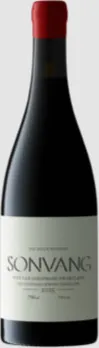
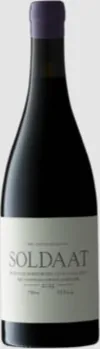
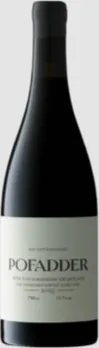
| Wine | Style | Vintage |
|---|---|---|
| Columella | red blend | 2023 |
| Palladius | white blend | 2023 |
| Mev Kirsten | chenin blanc | 2024 |
| Twiswind | white blend | 2024 |
| Kokerboom | semillon | 2024 |
| Skurfberg | chenin blanc | 2024 |
| Rotsbank | chenin blanc | 2024 |
| Skerpioen | white blend | 2024 |
| Treinspoor | tinta barocca | 2024 |
| Sonvang | red blend | 2024 |
| Soldaat | grenache noir | 2024 |
| Pofadder | cinsault | 2024 |
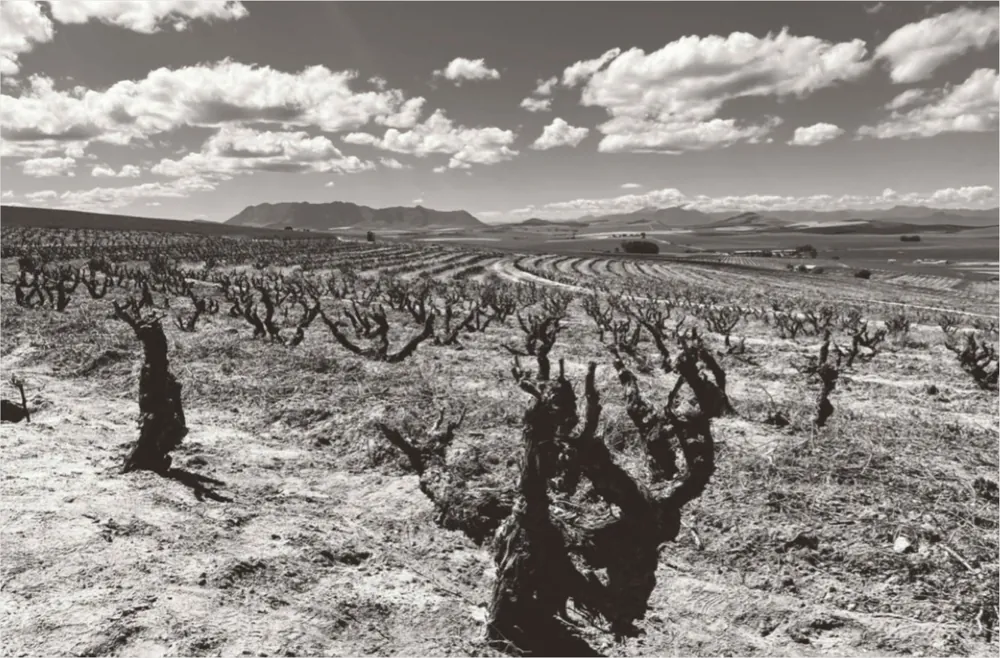
Many of the vineyards that contribute to these wines are remarkably old. Some date back to the early 1900s, while others trace their origins to the late 1800s.
In several cases, these vineyards survived only because somebody chose not to pull them out. Many were neglected, overlooked, or farmed for bulk production during an era when quantity was often valued above quality. Today, they represent some of the oldest productive vineyards not only in South Africa, but anywhere in the Southern Hemisphere.
Not simply expressions of place, but living pieces of viticultural history.
Excellence, year after year.
One exceptional vintage can happen by chance. Building an entire portfolio that performs at the highest level, year after year, is considerably more difficult.
The Tim Atkin MW South Africa Report is widely regarded as one of the most comprehensive assessments of South African wine. Each year, thousands of wines are tasted, with only a small percentage achieving scores above 95 points. Sadie Family Wines have become one of the most consistent performers in the report's history.
| Wine | Points |
|---|---|
| Columella 2023 | 98 |
| Palladius 2023 | 98 |
| Mev Kirsten 2024 | 98 |
| Twiswind 2024 | 95 |
| Kokerboom 2024 | 95 |
| Skurfberg 2024 | 97 |
| Rotsbank 2024 | 97 |
| Skerpioen 2024 | 99 |
| Treinspoor 2024 | 95 |
| Sonvang 2024 | 95 |
| Soldaat 2024 | 96 |
| Pofadder 2024 | 96 |
What separates Sadie Family Wines from many highly rated producers is not a single great bottle, but the breadth of excellence across the entire range. Whether discussing Columella, Palladius, Skurfberg, Mev. Kirsten, Skerpioen or T'Voetpad, the wines consistently rank amongst the highest-rated releases in the country. Over the years, multiple Sadie wines have achieved scores of 99 and 100 points, including the legendary Columella 2019, which received a perfect 100-point rating. Across both the flagship wines and District Series, the estate has built an extraordinary record of producing wines that repeatedly achieve scores of 95 points and above. The 2024 report was no exception, with two wines ranking amongst the highest-scoring wines in South Africa, both receiving 99 points.
In a country blessed with exceptional producers, few wineries can match the consistency, critical acclaim and depth of quality that Sadie Family Wines have maintained over the past two decades.
Shaped by adversity.
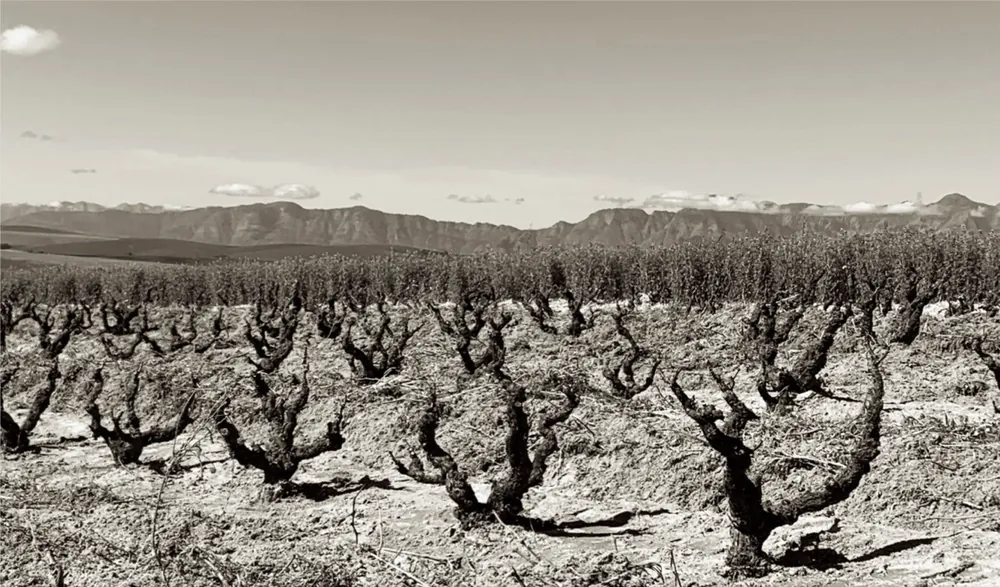
To understand Sadie Family Wines, one must first understand Swartland.
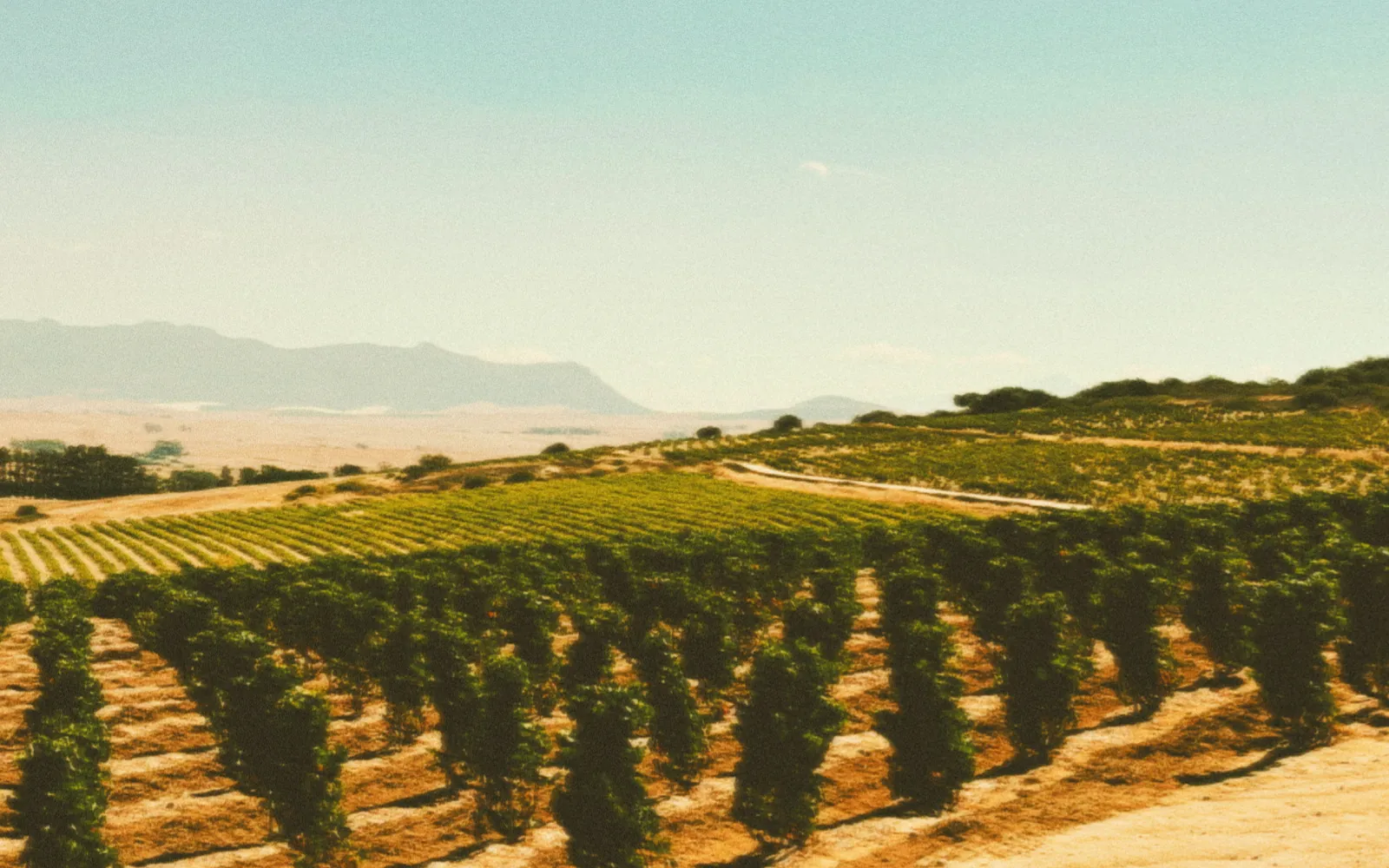
Located north of Cape Town, the Swartland region was historically known for wheat farming rather than fine wine. For much of the twentieth century, the region supplied grapes to co-operatives and bulk wine producers, with little attention paid to its oldest vineyards or unique growing conditions.
That perception began to change in the late 1990s and early 2000s, when a small group of pioneering producers recognised the extraordinary potential hidden within the region's rugged landscape. Among them, no individual played a more significant role than Eben Sadie.
Today, Swartland is widely regarded as one of South Africa's most important fine wine regions. The combination of ancient soils, dry-farmed vineyards, low yields and a warm Mediterranean climate produces wines of remarkable concentration, character and authenticity.
Unlike many wine regions around the world, Swartland is shaped by adversity. Rainfall is limited, summers are hot, and many vineyards survive without irrigation. In an era increasingly defined by climate change, these conditions have become both a challenge and an advantage.
The region's oldest vineyards have spent decades adapting to harsh conditions, developing deep root systems capable of accessing moisture and nutrients far below the surface. Swartland is also home to a remarkable diversity of soils. Granite, schist, sandstone, iron-rich clay and decomposed rock can often be found within relatively short distances of one another, producing wines of dramatically different personalities. It is this mosaic of soils that allows producers such as Eben Sadie to craft wines that are not only expressive of variety, but also of place.
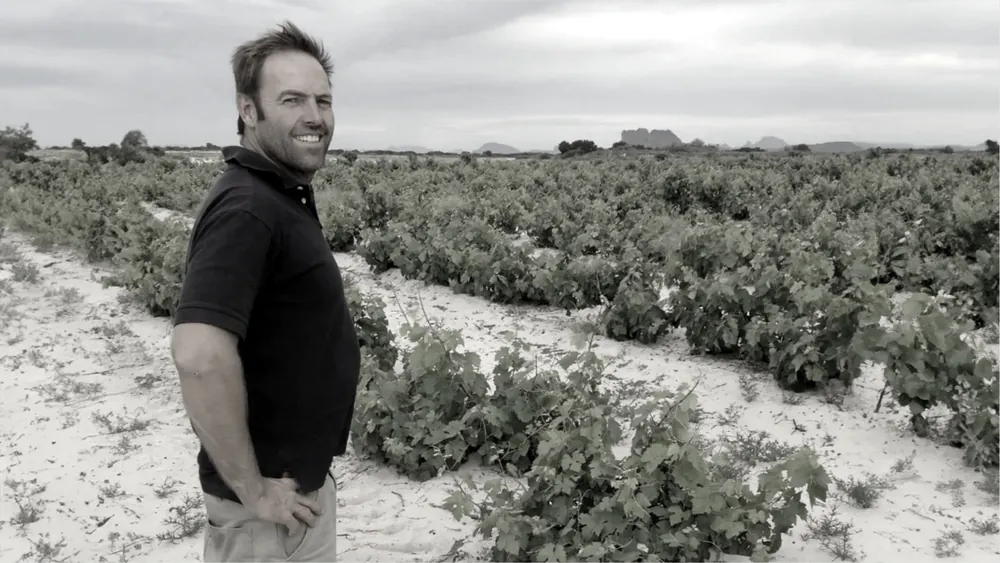
Perhaps most importantly, Swartland became the spiritual home of South Africa's modern old-vine movement. Many of the vineyards that now produce some of the country's most sought-after wines were once overlooked or destined for removal. Preserved through the efforts of visionary growers and producers, they now represent some of the oldest productive vineyards on the continent.
For Eben Sadie, Swartland is more than a region; it is the foundation upon which his reputation was built. While his vineyard sources extend beyond its borders, the spirit of Swartland — resilience, authenticity and a deep respect for old vineyards — remains at the heart of the Sadie Family story.
Wines to grow old with.
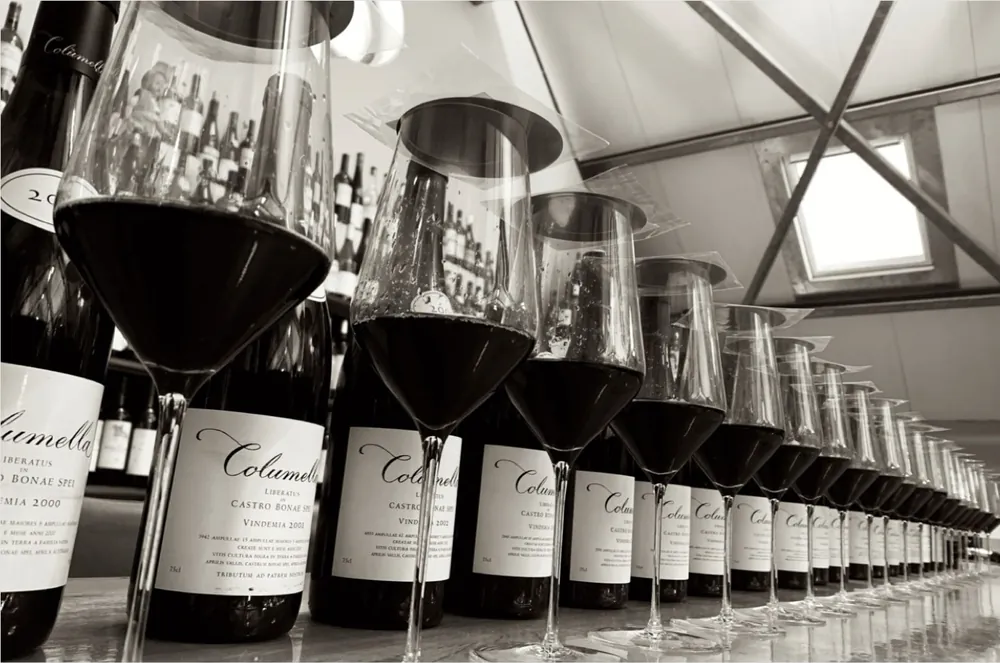
One of the most remarkable aspects of Sadie Family Wines is not simply how well they drink today, but how well they continue to evolve. According to Eben Sadie's own cellaring guide, many of the wines only begin to reveal their mature character after a decade or more in bottle, with several entering their ideal drinking windows between 15 and 20 years of age.
Perhaps most surprisingly, some of the greatest longevity is found amongst the white wines, where vineyards such as Mev. Kirsten, Kokerboom, Skurfberg and T'Voetpad have repeatedly demonstrated an ability to age with extraordinary grace. For collectors, these are not merely wines to drink; they are wines capable of accompanying an entire journey through time.
According to Eben Sadie's 2026 cellaring guide, most wines in the portfolio can be enjoyed relatively young, typically within the first one to six years after release. However, their mature drinking windows often begin much later. The overall message is clear: these wines can provide immense pleasure in their youth, but many are designed to reveal their greatest complexity after a decade or more in bottle.
| Wine | Style | Young | Mature |
|---|---|---|---|
| Columella | red blend | ||
| Palladius | white blend | ||
| Mev Kirsten | chenin blanc | 1 to 8 years | 16 to 22 years |
| Twiswind | white blend | 1 to 4 years | 5 to 16 years |
| Kokerboom | semillon | 1 to 8 years | 16 to 20 years |
| Skurfberg | chenin blanc | 1 to 6 years | 14 to 18 years |
| Rotsbank | chenin blanc | 1 to 6 years | 14 to 18 years |
| Skerpioen | white blend | 1 to 4 years | 12 to 16 years |
| Treinspoor | tinta barocca | 1 to 4 years | 10 to 20 years |
| Sonvang | red blend | 1 to 4 years | 5 to 18 years |
| Soldaat | grenache noir | 1 to 5 years | 8 to 12 years |
| Pofadder | cinsault | 1 to 5 years | 8 to 16 years |
Earlier this year, I had the opportunity to taste the 2003 Columella, and then 2002 Palladius from magnum format. Both wines were remarkably alive, showing energy far beyond what many would expect from bottles more than two decades old.
In fact, the most memorable Sadie wines I have opened across the range this year have been from some of the oldest vintages, all the way through to the younger, newer releases, which are drinking splendidly in their youth.
I can't imagine picking an “all time favourite vintage” when it comes to the Sadie family. This is largely due to my inexperience with the wines; I have only had so many bottles, and even fewer going back to vintages such as 2014, 2015 and 2016. The large majority have been 2020 to 2024, which are all still fairly accessible in terms of price.
Each vintage has offered something entirely different, yet equally rewarding. Perhaps the true beauty of these wines lies in the fact that they are never entirely finished. Each bottle captures a moment in an ongoing journey, revealing something different with every passing year. Whether enjoyed in youth or after decades in the cellar, the objective is not necessarily to find the perfect drinking window, but to appreciate the many forms a great wine can take throughout its life.
Three things that stood out.
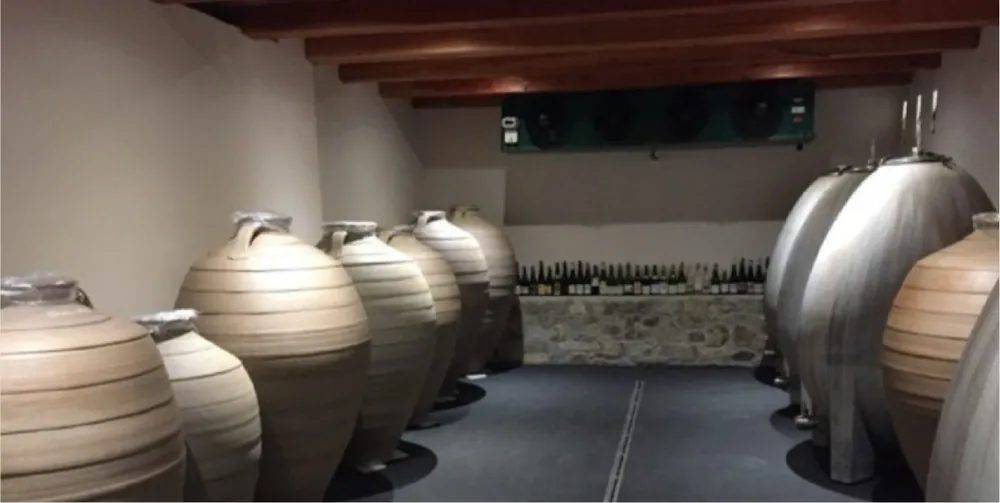
Firstly, Eben believes the 2025 vintage will be remembered as one of the great South African vintages of modern times. Exceptional winter rainfall, excellent soil moisture reserves and near-perfect growing conditions produced wines of remarkable balance, freshness and composure across much of the Cape.
Secondly, the phrase that resonated with me most throughout the report was: “Plant to age.” Rather than focusing solely on the wines being released today, much of Eben's attention is directed towards vineyards that may only reach their full potential decades from now. From virus testing individual vines to restoring soils and replanting vineyards with future generations in mind, the long-term view remains central to everything they do.
Finally, one particular wine caught my attention. Reflecting on Treinspoor, Eben writes that after fifteen years of working with the vineyard, the 2025 vintage may finally represent the wine he always believed the site was capable of producing. Coming from a producer not known for grand statements, that alone makes Treinspoor one of the most intriguing wines in this year's release.
How the wines are shared out.
Once all orders have been received, our team will review available stock and allocate wines as fairly as possible across all participating clients.
Due to the nature of this once-off offer, demand is expected to exceed available stock on certain wines. While we will do our best to accommodate every order, we cannot guarantee that all requested quantities or wines will be available to every client.
This promotion is based on limited stock and will not be repeated next week or next month. Once allocations have been completed and stock is exhausted, the offer will conclude.
Clients will be notified of their final allocations once the process has been completed. Please allow approximately two weeks for allocation, processing, and order preparation. We will contact you as soon as your order is ready for collection or dispatch.
The Sadie Family Wines, release prices.
| Wine | Vintage | Price | |
|---|---|---|---|
| Columella | 2024 | Red | R1310.00 |
| Palladius | 2024 | White | R1310.00 |
| Mev Kirsten | 2025 | White | R1310.00 |
| Twiswind | 2025 | White | R640.00 |
| Kokerboom | 2025 | White | R640.00 |
| Skurfberg | 2025 | White | R640.00 |
| Rotsbank | 2025 | White | R640.00 |
| Skerpioen | 2025 | White | R640.00 |
| Treinspoor | 2025 | Red | R640.00 |
| Sonvang | 2025 | Red | R640.00 |
| Soldaat | 2025 | Red | R640.00 |
| Pofadder | 2025 | Red | R640.00 |